How to divide three days in Valencia
This route is for a first visit with three full days, a city accommodation base and no car. Day one links nearby sights in the historic centre; day two concentrates on the City of Arts and Sciences; day three heads to l’Albufera. If you prefer the beach and a seaside neighbourhood, use the Cabanyal alternative below. You do not need to squeeze both outings into one afternoon.
| Day | Morning | Afternoon | Main journey |
|---|---|---|---|
| 1 · Ciutat Vella | Central Market, Silk Exchange and Cathedral area | El Carmen and Serranos Towers | Walk between nearby stops |
| 2 · Arts and science | Oceanogràfic or Science Museum | Architecture and a section of the Turia Gardens | City transport to the venue |
| 3 · L’Albufera | Travel to and walk around El Palmar | Rice lunch, boat trip and return | EMT bus 24 or booked transfer |
Our walking and visiting times are editorial estimates for an unhurried trip, rather than opening times or transport schedules. Put the city-centre day on Monday to Saturday if you want to enter the Central Market. With only two and a half days, use the half-day for the centre or seafront: an excursion requiring a return journey is less suitable immediately before a flight.
Day 1: Central Market, Silk Exchange, Cathedral and El Carmen
09:00 · A working market, rather than a photo stop
Start at Plaça de la Ciutat de Bruges. Enter the Central Market and spend around 40–50 minutes exploring the aisles. Rice, produce from the surrounding market gardens, preserved fish and the fresh-fish section introduce ingredients you will meet at lunch. Look up at the iron structure, stained glass and domes as well. People shop here every day: leave the counters clear when a customer is ordering.
The market publishes ordinary opening hours of Monday to Saturday, 07:30–15:00. Starting here avoids arriving while traders are packing away. Have breakfast beforehand or use stalls offering food to eat; leave room for a proper seated meal if you want a rice lunch later.
10:00 · The Silk Exchange and a walk to the Cathedral
The Lonja de la Seda, or Silk Exchange, stands beside the market, so no transport is needed between them. Allow approximately 45–60 minutes for the hall with its twisting columns, the orange-tree courtyard and the other areas open to visitors. Notice the change in atmosphere between the trading hall and courtyard. Understanding the building’s commercial role adds more to the visit than simply photographing the columns.
Continue towards Plaça Redona and Santa Catalina, then Plaça de la Reina. The direct walk is short; with these stops, allow 20–30 minutes. At the Cathedral, choose an interior visit of around 45–60 minutes or an outdoor circuit through the Reina, Virgen and Almoina squares. Climbing the Micalet is a separate activity involving stairs: add time and effort instead of treating it as an instant stop included in every visit.
14:00 · Lunch followed by El Carmen
Take your long lunch break in the centre. If you want paella, this slot works better than a late dinner. Look for a menu that distinguishes the rice dishes and ask whether the price is per person and a minimum number of diners applies. If you have booked rice in El Palmar for day three, choose a set lunch or tapas today to vary your meals.
In the afternoon, walk into El Carmen from Plaça de la Virgen via Carrer dels Cavallers and Plaça del Tossal. Facades, small squares and the changing width of the streets are part of the experience. Finish at the Serranos Towers; climbing them, when access is open, is optional. From here you can descend into the Turia Gardens for a rest. Allow 1½–2 hours with breaks, without adding every neighbourhood museum. If San Nicolás particularly interests you, replace part of this walk with that visit instead of adding it at the last minute.
Day 2: one main visit at the City of Arts and Sciences
Choose a venue before filling the day
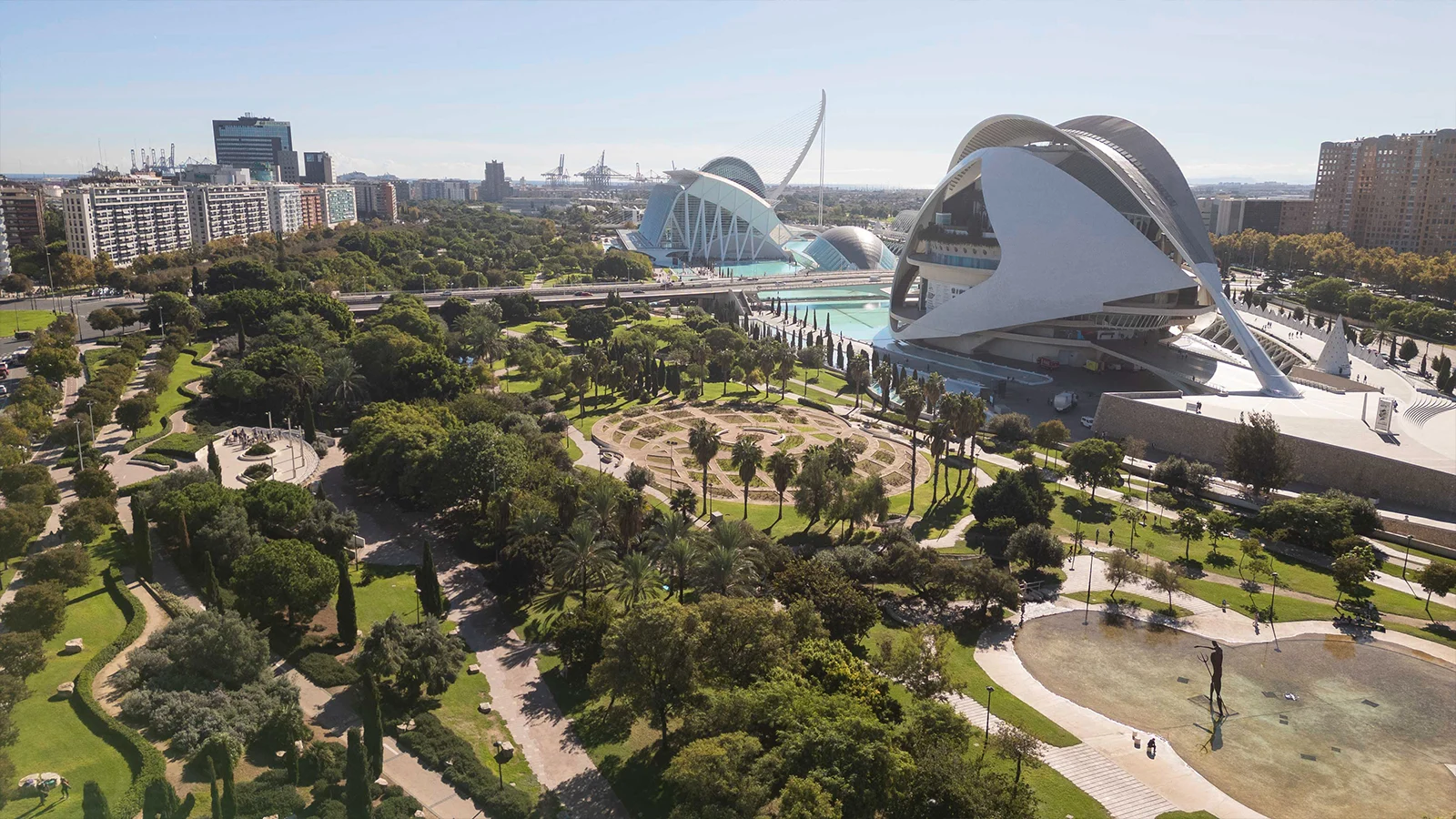
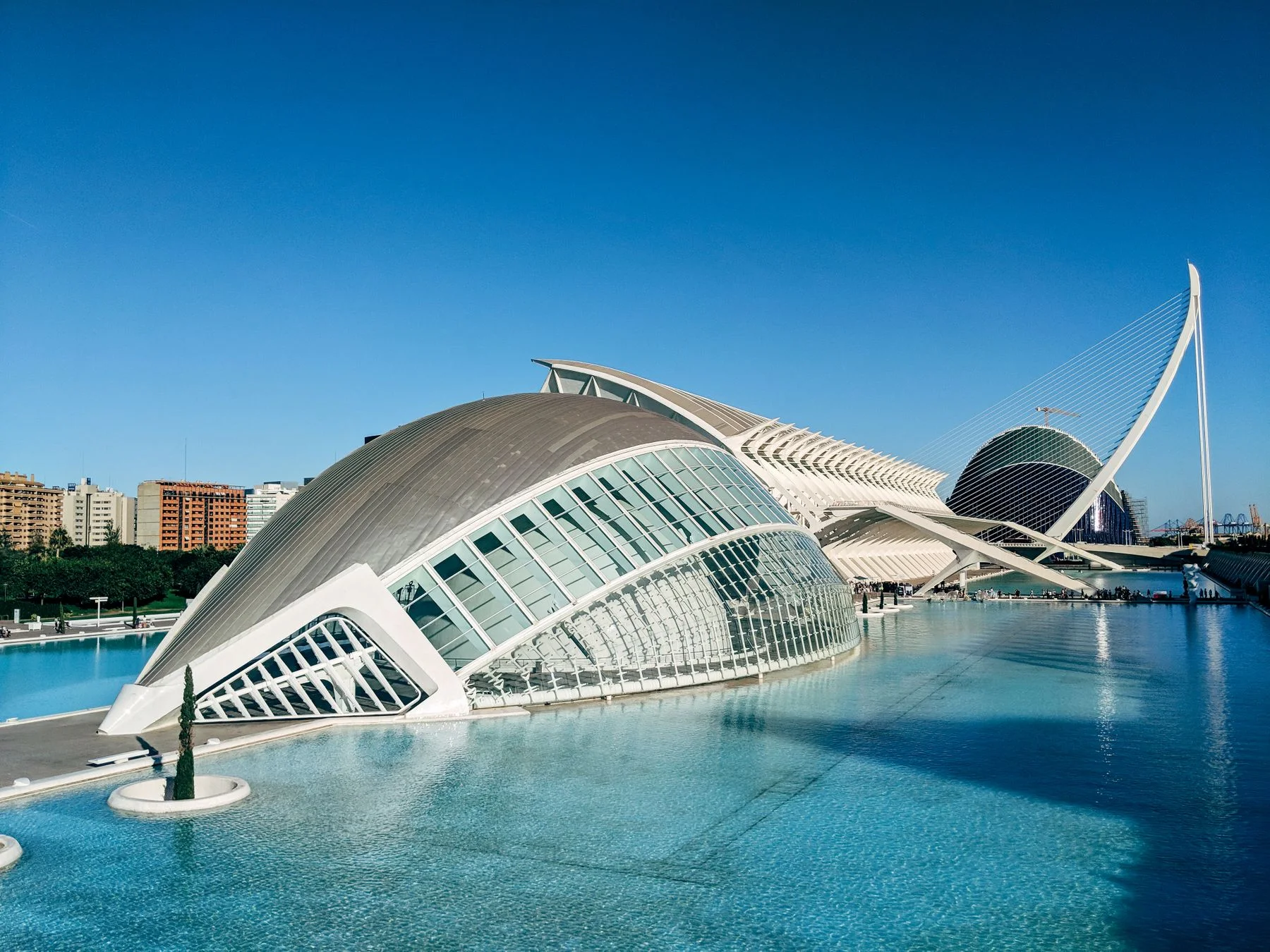
The City of Arts and Sciences is a complex of buildings, rather than a single gallery to see in an hour. Our default is Oceanogràfic plus outdoor architecture. If hands-on science is your preference, replace the aquarium with the Science Museum and leave room for a Hemisfèric screening. Three indoor venues, a Turia walk and the beach in the same day leave little room to enjoy any of them.
Travel to the entrance shown on your ticket, rather than the first white building you see. From Ciutat Vella, city transport saves a long walk before the visit. Inside the complex, walk between the buildings, allowing a 15–20-minute buffer to find your next venue and reach its entrance checks.
Morning and early afternoon · Aquarium or science
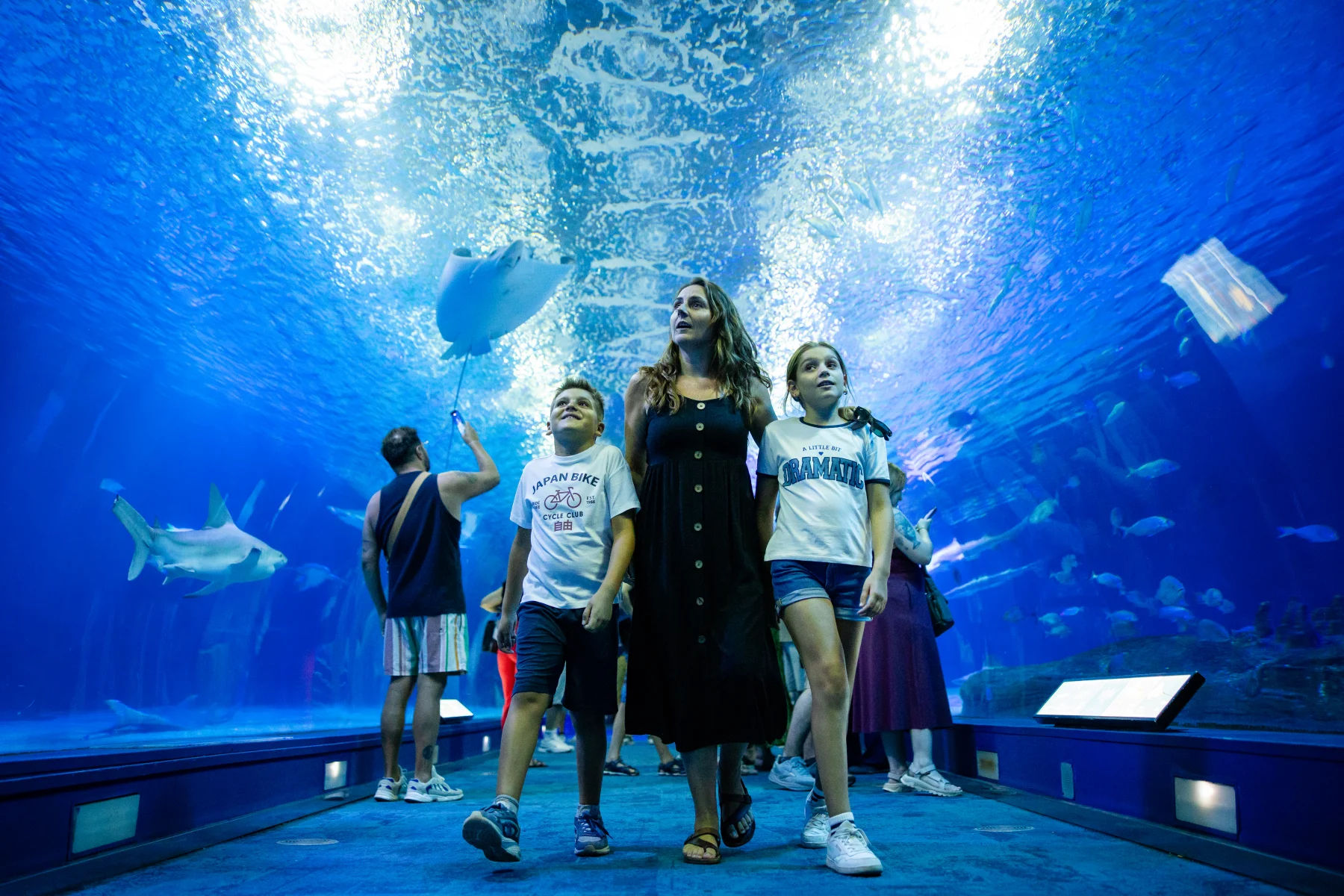
Allow around four hours for the Oceanogràfic, adding a lunch break for a relaxed visit. Use the map to plan a circuit: Mediterranean habitats, large aquariums and polar areas offer different experiences. The shark tunnel is a familiar stop, but a visit organised only around finding it turns everything else into a corridor towards a photograph. With children or frequent stops, give the aquarium most of the day.
The alternative is 2½–3 hours at the Museu de les Ciències, choosing exhibitions that interest you instead of trying to read every panel. The Hemisfèric works with a specific screening and time. The film, language and intended audience matter as much as the building, and that timed screening should shape the rest of your day.
Later afternoon · Architecture and part of the Turia
Afterwards, spend 45–60 minutes around the exterior of the Hemisfèric, the pools and views of the museum. Continue into the Turia Gardens and towards Gulliver if you still feel like walking. You can finish after 30–45 minutes in the park and take transport back; seeing the gardens does not require walking the entire former riverbed. Extend the walk if you have the energy. After a full aquarium day on your feet, dinner near your accommodation can fit better than another distant neighbourhood.
If BIOPARC is your priority: spend this day at BIOPARC and Cabecera Park. They are at the other end of the Turia from the City of Arts and Sciences. This is a sensible replacement, especially for families, rather than a neighbouring stop to add between museum and aquarium.
Day 3: El Palmar, rice and l’Albufera
An outing with both journeys planned
Use this day to slow down. EMT bus 24 connects the centre with El Palmar. Bus 25 continues towards El Perellonet; do not assume it serves the same village. Allow roughly an hour for the journey plus the waiting time shown by that day’s service, and locate the return stop on arrival. A booked transfer is another option when coordinating a boat departure or a group.
In El Palmar, walk around the streets and canals and look at the village’s relationship with fishing and rice cultivation. Fields change considerably through the growing cycle: they are not always green or flooded. This is not an attraction with one main gate, and its jetties are not interchangeable. Locate the meeting point for your chosen activity on the map.
A rice lunch and a boat trip
Make lunch part of the excursion. Book a table for rice at lunchtime and leave 1½–2 hours to sit down, eat and walk to the boat afterwards. A trip of around an hour can complete the afternoon if that is the option your operator offers. Sailing time, departure point and inclusions vary by activity; a boat ticket does not automatically include transport from Valencia or a meal.
For sunset on the lagoon, move the excursion later and choose a departure tied to sunset. Its time changes with the season: a summer timetable will not work for winter. Settle your return journey before booking the final sailing. If you fly that day, the urban alternative below is preferable.
Alternative day 3: Cabanyal and the beach
For the sea and a lived-in neighbourhood, replace l’Albufera with the Cabanyal. Start with its market on a working morning, then explore the Reina, Sant Pere and Escalante streets, looking at tiled facades and small-scale houses. Allow 1½–2 hours, with a mid-morning sandwich if you like. You do not need a particular restaurant recommendation to try the esmorzaret tradition.
Continue towards the Marina and the Las Arenas promenade. Eat by the sea or a few streets back in the neighbourhood, then spend the afternoon on the beach or seafront promenade, depending on the season. Walk between neighbourhood and beach; choose city transport from the centre according to your accommodation. This day works without swimming and is easy to shorten before a train or flight. Do not combine it with El Palmar simply because both involve water.
Adjusting the route to your trip
- Sunday in the centre: move the market to another morning. Cathedral services can shift cultural visiting times; keep the squares and El Carmen as the flexible part.
- Rain: swap the excursion day with the venue day. Oceanogràfic includes outdoor spaces; for a mainly indoor day the Science Museum is a better fit, without needing every combination ticket.
- Children: choose one long visit a day, a seated lunch and a park break. Pick Oceanogràfic or BIOPARC according to family interests, keeping the other for another trip.
- Heat: walk earlier, rest after lunch and carry water. The City of Arts pools do not provide the shade of a sheltered resting place.
What to book and how to plan spending
Book the activity that fixes the day first: a Hemisfèric screening, guided visit or sunset boat. Then add dated admissions and leave streets, squares and parks flexible. A combination is worthwhile only when you intend to use its venues; abandoning a day you actually wanted just to use an extra admission is a poor trade.
Day one is on foot; days two and three include transport. To assess a Valencia Tourist Card, compare the journeys and admissions you will actually use with the relevant version and validity, rather than automatically multiplying three days by a transport price. Look up attraction prices for your date in the related ticket pages. With less time, use our two-day Valencia route: removing a whole area usually works better than shortening every visit.
Frequently asked questions
Can I visit Oceanogràfic, BIOPARC and l’Albufera in three days?
Yes, but they take up much of the three days and reduce time in the historic centre. For a balanced first trip, choose Oceanogràfic or BIOPARC as the long visit and keep a day for the centre. If both parks are your priority, replace l’Albufera with BIOPARC.
Do I need a car for this itinerary?
No. Walk around the centre and use city transport for the City of Arts and Sciences. EMT bus 24 serves El Palmar; include waiting time and coordinate the return with your activity. A booked transfer can suit groups or a tightly timed sailing.
Which day should I spend in the historic centre?
Monday to Saturday lets you include the Central Market in the morning during its ordinary 07:30–15:00 opening hours. If your centre day is Sunday, change the order or visit the market on another morning.
Should I choose Albufera or Cabanyal for day three?
Choose l’Albufera for rice in El Palmar, lagoon scenery and a boat trip with a specific meeting point. Cabanyal and the beach offer a more flexible day for walking, a market visit or an early finish before a train or flight. Each is a complete alternative.
How long should I allow for Oceanogràfic?
This route allows around four hours plus lunch. With children or additional activities it can take most of the day, so the outdoor architecture walk stays flexible and another major venue is not booked immediately afterwards.
Where does a paella meal fit the route?
At lunch in the centre on day one or in El Palmar on day three. A midday reservation and a generous break work better than rushing rice between two timed admissions. The boat and meal are separate services unless the product states otherwise.
Does this work if I arrive on the first afternoon?
The route assumes three full days. On an afternoon arrival, explore the centre’s squares and save the market and Silk Exchange for a morning. Then choose between the venue day and the excursion instead of compressing both to keep every stop.
What should I change if it rains?
Move the indoor day to the rainy day and save the neighbourhood walk or excursion for better weather. The Science Museum offers more activity under cover; Oceanogràfic also has outdoor paths. Follow any official weather warnings before keeping a lagoon outing.
Sources and practical information
- Mercat Central · Horario y directorio
- UNESCO · La Lonja de la Seda
- Catedral de Valencia · Visita y torre del Miguelete
- Oceanogràfic · Información y recomendaciones
- Ciutat de les Arts · Oceanogràfic y combinados
- Visit València · Parque Natural de l’Albufera
- Visit València · Cabanyal y sus calles
- Visit València · Paseo Marítimo y Paseo Neptuno