Cabanyal is more than a route to the beach
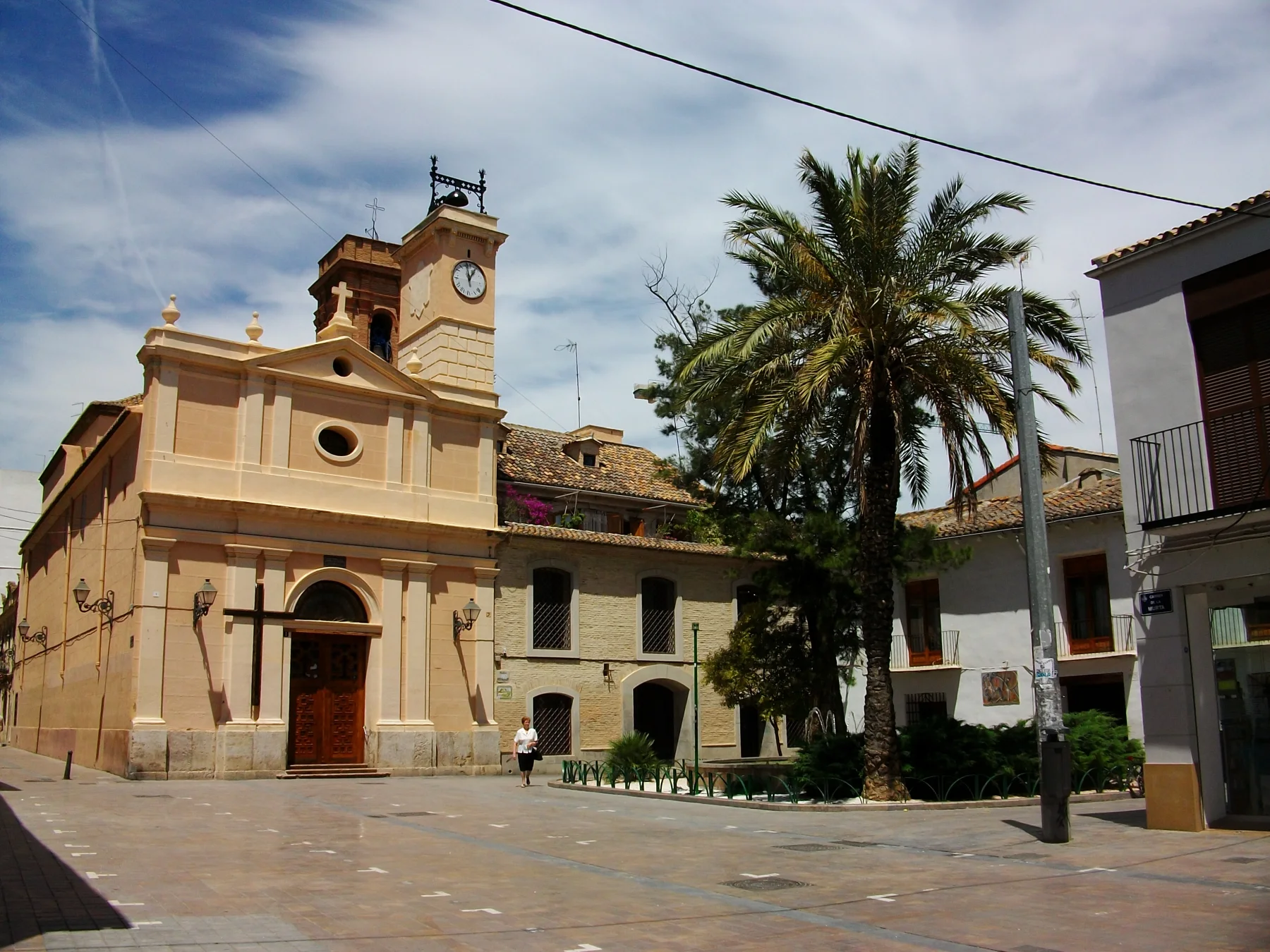
Cabanyal-Canyamelar retains streets parallel to the sea, houses smaller in scale than the city centre and a visible maritime relationship. Its interest is not limited to finding a blue façade for a photograph. Market, ceramics, festive memory and commerce make a walk of their own before reaching the water.
Allow two to three hours for the neighbourhood and a small interior, adding lunch or beach time as preferred. This differs from a full day on the sand. Morning can include the market; afternoon is better for streets, façades and an open cultural space.
Cabanyal Market: start with everyday activity
The municipal market is on Justo Vilar. During morning trading you can see fish, vegetables and daily shopping while understanding its role as a local reference point. Distinguish the covered building from occasional street markets held nearby on specific days.
Afterwards, locate yourself and choose a direction. Long parallel streets help organise the walk, but continuing without a reference may take you farther north or south than expected. Use a lunch reservation as your finish rather than walking the entire route back afterwards.
Reina, Barraca and Escalante: house-scale details
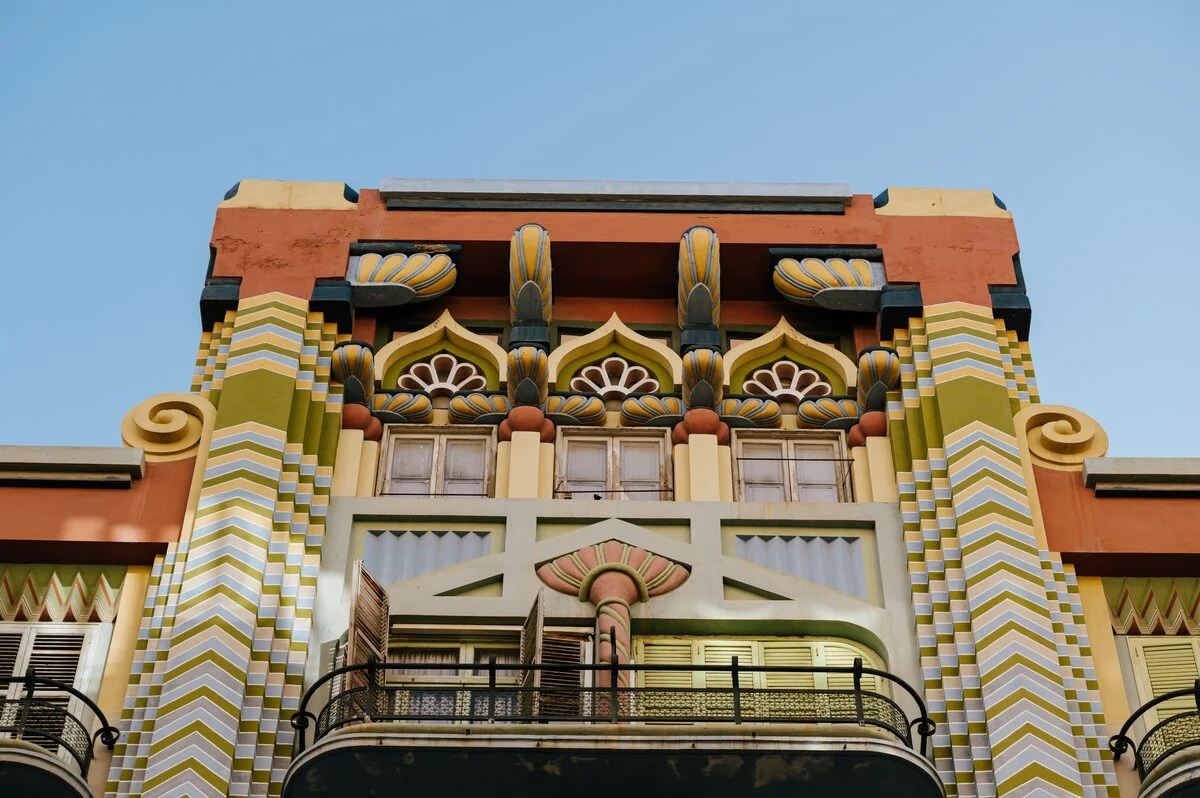
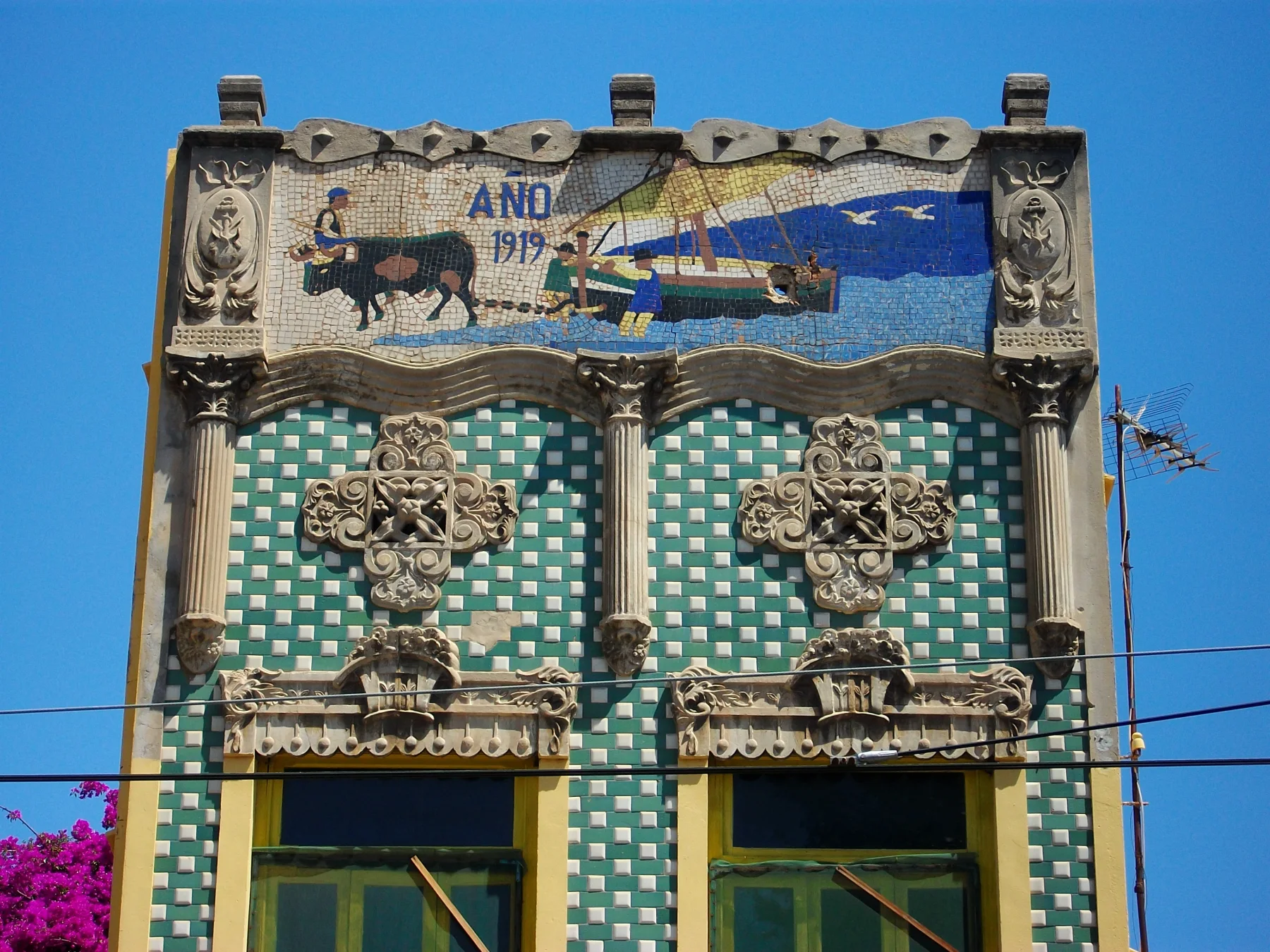
Link sections of these streets using cross streets to notice houses, balconies, doorways and ceramic cladding. Compare a tiled façade with a painted one: they are not all from the same period or one uniform fishing-house type. Window and roofline details reveal more than simply looking for strong colours.
These are homes, not visitor showrooms. Leave doorways clear and avoid looking into private interiors for photographs. Alterations and construction work also belong to the neighbourhood's evolution. An attentive walk need not pretend every street preserves an untouched ideal past.
Maritime memory has interiors too
The Maritime Holy Week Museum on Calle del Rosario explains brotherhoods, clothing and religious images outside procession dates. Check opening and visitor arrangements. The Maritime Holy Week guide explains a tradition that should not be confused with one parade through the old town.
Continue south if you want the Grao Shipyards, whose Gothic halls relate to shipbuilding, repairs and port storage. They are not next door to every Cabanyal stop: including them extends the route. Check current exhibition and admission rather than assuming a particular permanent display.
Two finishes without returning to the start
Beachwards: use a cross street towards Eugenia Viñes and the promenade. Walk by the sea, then choose sand or a meal. The beach guide distinguishes Cabanyal, Malvarrosa and Patacona so you need not cover all three in a short gap.
Grao and Marina: move south for port heritage and open waterfront spaces. This suits architecture and walking rather than swimming. The Marina is not the entire commercial port or cruise terminal: calculate to your exact destination.
Food and transport for a coherent day
Choose a table within the neighbourhood to continue among its streets, or on the seafront for proximity to the beach. Compare menus and budget. Rice, a filled-roll almuerzo and tapas require different amounts of time; ask about servings and preparation before booking another activity afterwards.
Use EMT or Metrovalencia to your chosen start: market, inner streets and beach have different approaches. From the City of Arts, plan the transfer instead of assuming an immediate pedestrian continuation. Cabanyal works in the three-day plan as a coastal block mixing walking, food and local memory.
Frequently asked questions
How long should I spend without swimming?
Two to three hours cover market if open, streets and a small interior. Add time for a meal or the Shipyards and Marina.
Are the covered market and street market the same?
No. The municipal building is on Justo Vilar; additional outdoor markets have their own days and arrangements.
Which streets help with orientation?
Reina, Barraca and Escalante are useful longitudinal axes. Link sections with cross streets and choose your finish before walking.
Can I learn about Holy Week outside its dates?
The museum on Calle del Rosario provides context during the year according to its opening schedule, without needing a procession.
Should I finish at beach or Marina?
The beach suits sand and promenade; Grao and Marina add port heritage and open spaces. Choosing one avoids unnecessary backtracking.