Come to observe, rather than finish a checklist
BIOPARC stands at the western end of the former Turia riverbed, beside Cabecera Park. Its route recreates African environments through planting, rocks, water and spaces shared by different species. Replace the question “which animal have I missed?” with “what is happening in this habitat?”. A group resting in the shade or an animal appearing after a short wait is also part of the experience.
Allow roughly four to five hours as a planning margin, particularly with children or lunch inside. This is not a fixed official visit length: you may want longer for favourite environments and the day's activities. Arriving with only an hour forces a rushed crossing of a place that rewards stopping.
Savannah and baobabs: look at the whole landscape
On the savannah, do not focus only on the nearest animal. Notice how herbivores spread out, where the water lies and how another viewpoint changes the scene. Giraffes, rhinoceroses and antelopes form part of a landscape rather than a succession of isolated cages. Visible species and levels of activity can vary.
The baobab and elephant area provides a different scale, with trees, changes in level and water shaping the view. Find a position that leaves the path clear and spend a few minutes following one behaviour. For photographs, work with the distance provided by the viewpoint instead of tapping glass or trying to attract attention.
Equatorial forest, wetlands and Madagascar
In the equatorial forest, vegetation and changing heights encourage you to look both at ground level and above. This is the environment of great apes and other forest species. Something dramatic will not necessarily happen as you arrive: a later second look may reveal more than waiting for a scene nobody can promise.
The recreation of Kitum Cave links to African wetlands and offers an underwater perspective on hippopotamuses. Here the style of observation changes: approach the windows calmly and leave room for others. Madagascar has its own access arrangements and visiting times within the park. Check availability on arrival rather than automatically saving it for last and discovering that access has finished.
Organise the route without repeated crossings
Read the map and programme before choosing a direction. If a particular activity interests you, use it as an anchor and visit nearby environments in a continuous sequence. One block can cover savannah and baobabs, another forest and wetlands, with Madagascar placed around its opening. This is a flexible suggestion; signs and staff instructions always take priority.
Build in a break before everyone is exhausted. With children, compare footprints, movement or feeding heights rather than demanding hours of silence. Educational activities vary by day. You do not need all of them: one carefully chosen activity, with observation time between sections, can give the morning a better shape.
Eat inside and prepare admission
On-site catering allows a break without interrupting the visit. Samburu restaurant and Kidepo café face the savannah; other outlets may operate according to day or season. Check what is open before walking across the park for a particular option. For dietary requirements, ask for allergen information and speak directly with catering staff.
A normal day ticket does not permit leaving and returning unless exceptional authorisation is given. Outside food and drink are also prohibited, apart from water in non-glass containers and the stated allowances for babies and very young children. A picnic in Cabecera Park therefore works after your visit, rather than as a break with automatic re-entry.
Arrive on the west side and finish gently
The entrance is at Avenida Pío Baroja, 3. Nou d'Octubre metro station leaves a final walk, described by the park as approximately ten minutes. EMT connections are another option: calculate the journey from your actual starting point with that day's stop and timetable. Cycling along the Turia is possible, leaving the bicycle outside the attraction.
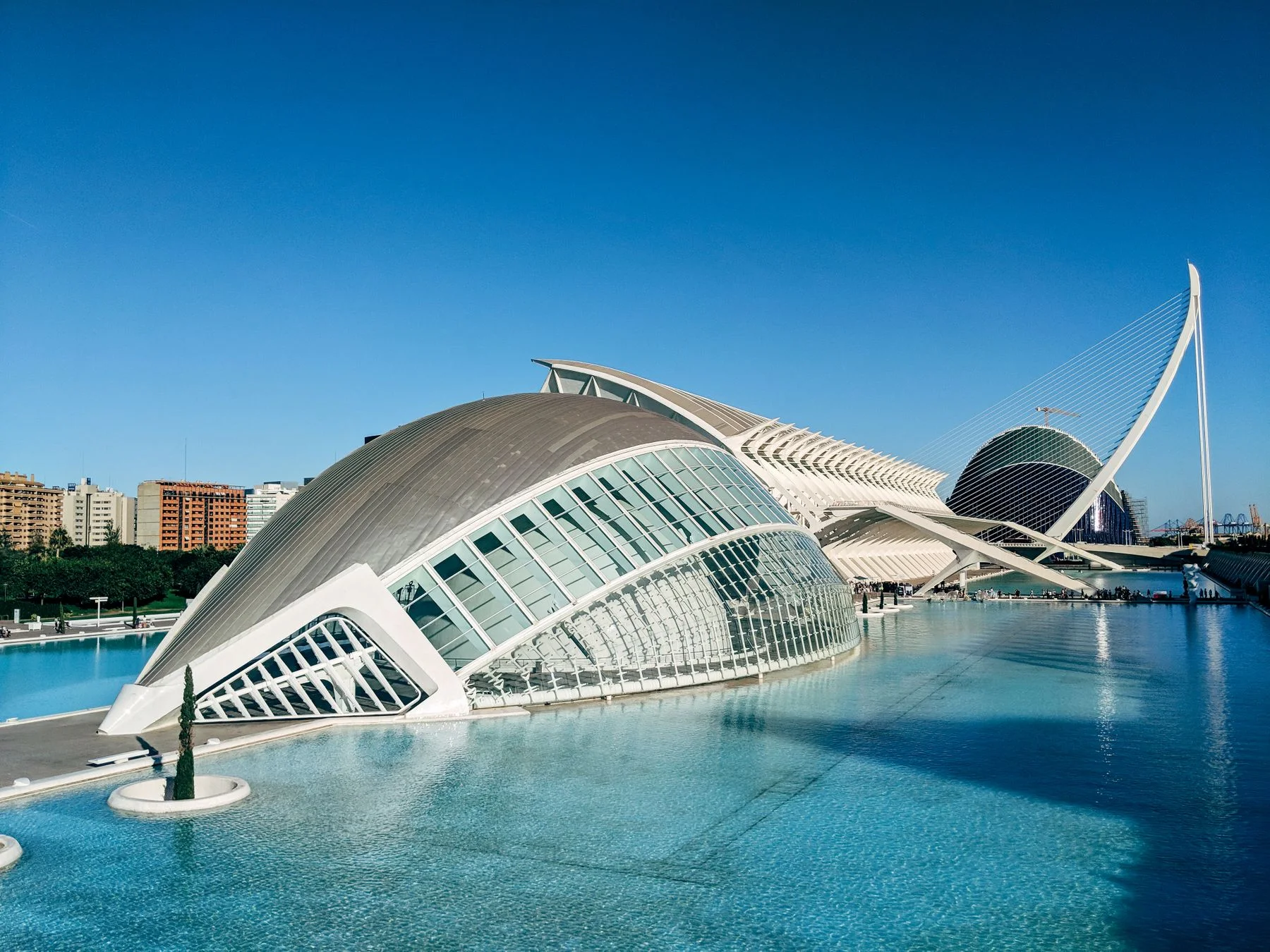
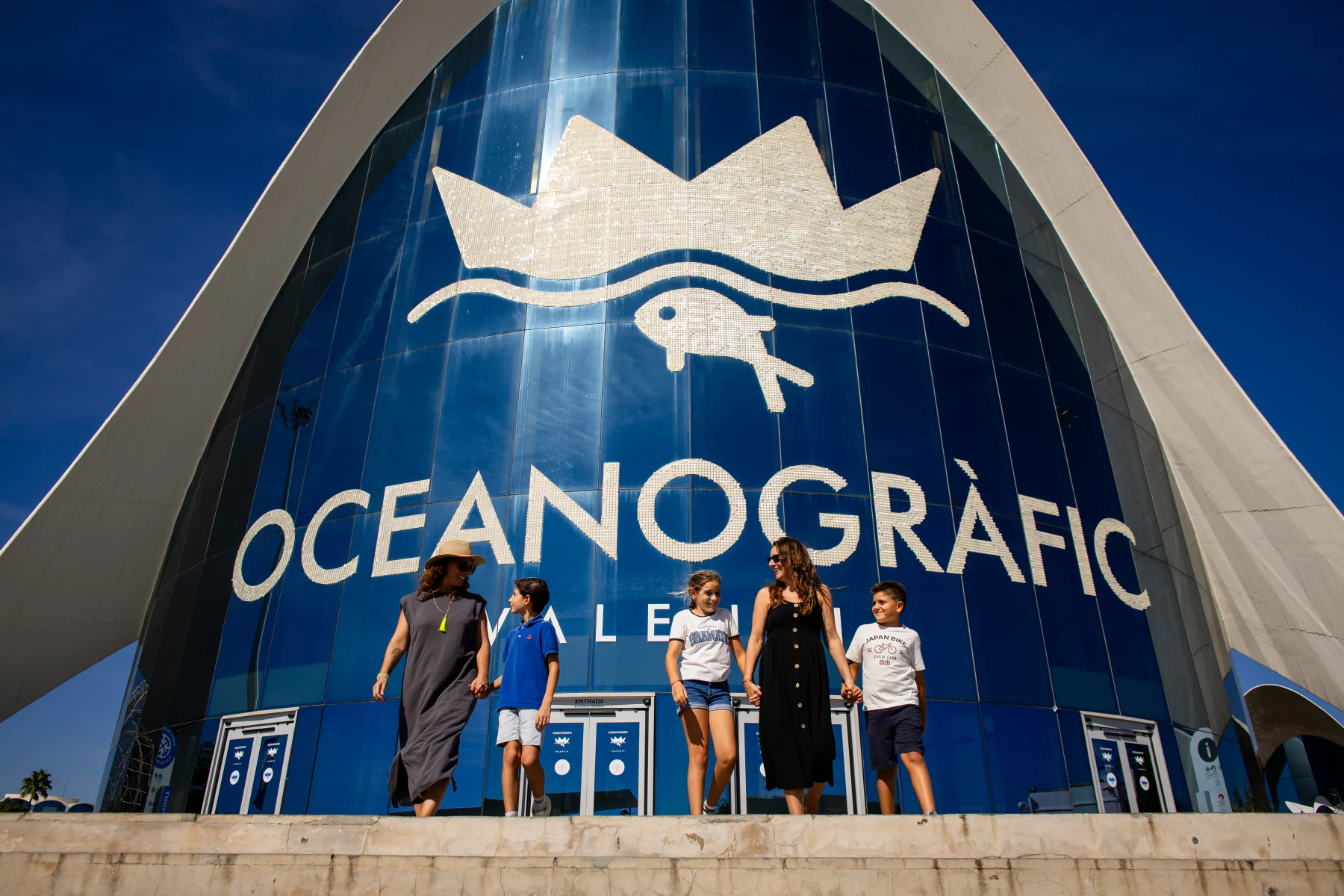
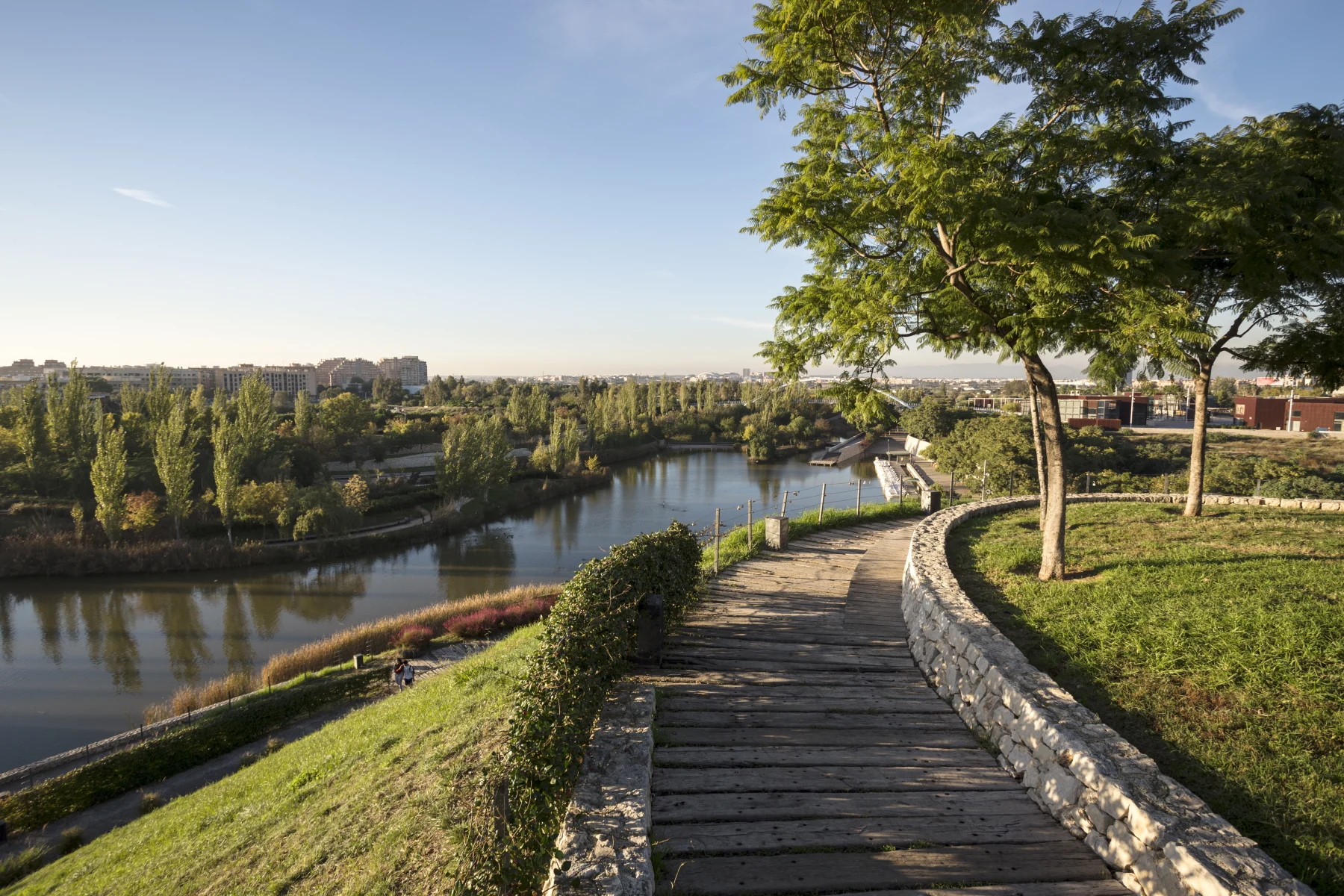
Afterwards, Cabecera Park is an easy place for a walk and rest. To continue through the Turia Garden, choose a section: walking all the way to the City of Arts and Sciences means crossing much of the city. BIOPARC and the Oceanogràfic sit at different ends of the axis. Give two complete visits separate days in the three-day plan.
Frequently asked questions
Is BIOPARC next to the Oceanogràfic?
No. BIOPARC is west beside Cabecera Park; the Oceanogràfic belongs to the City of Arts and Sciences at the other end of the Turia axis.
How much time should I allow?
As a practical planning margin, allow around four to five hours with breaks. Observation, activities and lunch can extend the visit; there is no single duration for everyone.
Can I save Madagascar for last?
Check its access times first. It has specific arrangements, so do not assume it remains available until the final moment of your visit.
Can I leave for a picnic and come back?
Ordinary admission does not allow exit and re-entry without exceptional authorisation. Save a Cabecera Park picnic until the park visit is complete.
What if I cannot see an animal?
Try another authorised viewpoint or return later if the route allows. Animals have their own activity and resting patterns; do not tap windows or try to attract them.