Festivals do not all happen in the same place
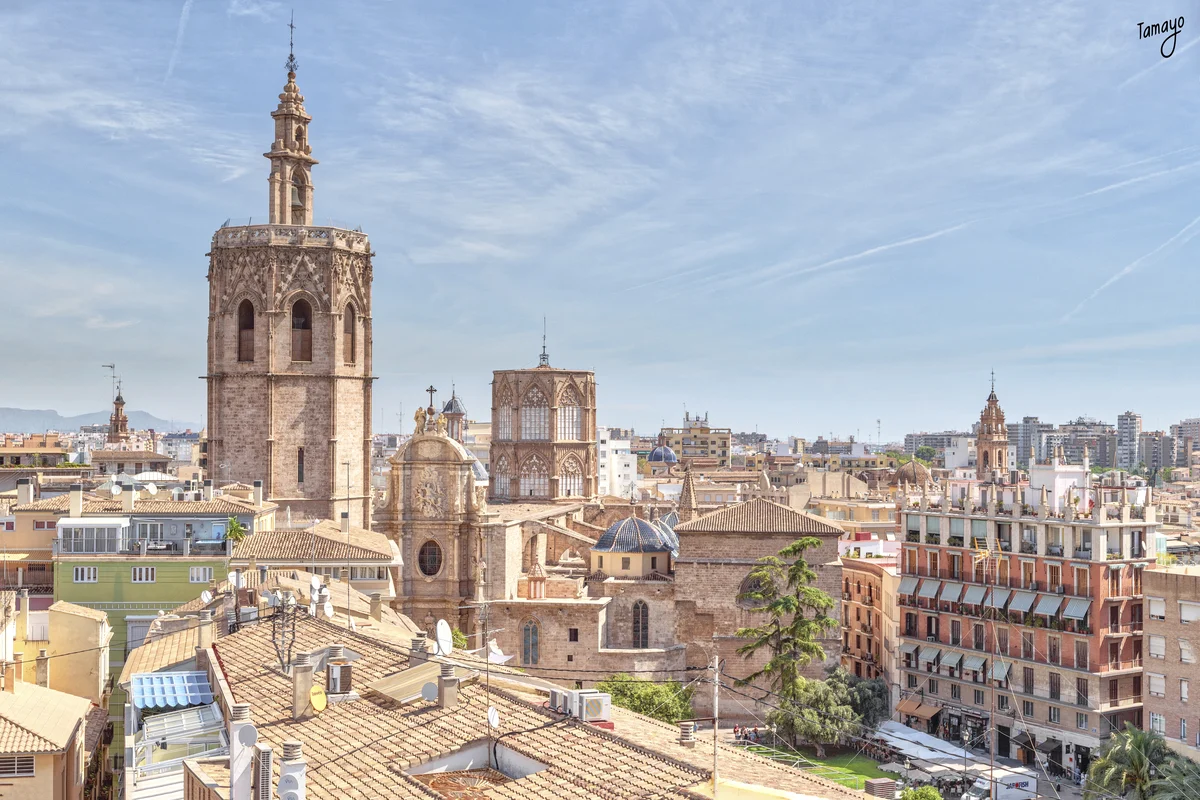
Valencia's calendar spreads across central squares, neighbourhood streets and the waterfront. Fallas transforms much of the city; Maritime Holy Week points towards Cabanyal and Canyamelar; Corpus makes sense through dances, monumental carts and its historic route. Choosing the celebration before your hotel helps decide whether to stay near an event, rest outside its core or combine different interests.
This guide describes recurring periods and characteristics. It does not confirm a future edition's programme. Times, routes, tickets and restrictions require that year's information and organiser alerts. An old poster provides context, not a current agenda.
Winter: Christmas and Three Kings span more than one night
December and early January offer different ways into the celebrations: an evening of lights, a nativity-scene walk or the Three Kings parade. With children, make one experience the day's focus and add a nearby snack. If the city matters more than crowds, lights can accompany a walk through squares without filling the whole day.
Each edition's parade has its own route and arrangements; the programme helps choose where to watch. For nativity scenes and indoor activities, use their admission hours. The Christmas and Three Kings guides separate those options and combine them with central visits.
March: several ways to take part in Fallas
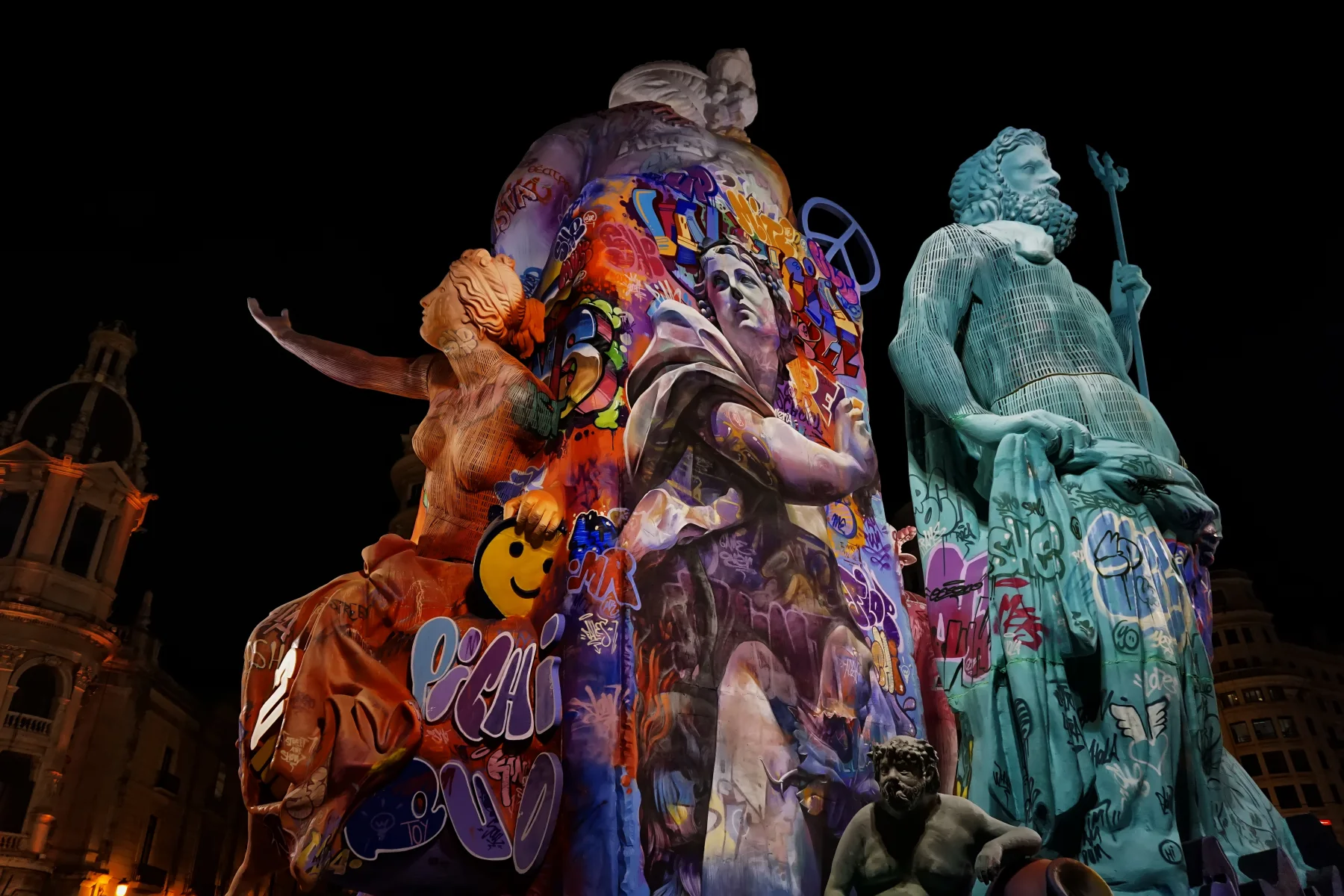
The main Fallas week traditionally centres on 15–19 March, with earlier activity. A monument walk lets you read scenes and satire at your pace; costume and music provide another thread, while fireworks focus attention on an event. Pick a main thread and area: stopping at several scenes within one falla can reveal more than rushing past many.
Choose accommodation by exact address and rest needs. Closed streets, installation, parties and crowds can alter access on foot or by vehicle. For museum visits during Fallas, make fewer rigid bookings and check special opening arrangements. The Fallas guide distinguishes the celebration's elements and a manageable day.
Movable spring: Holy Week and Saint Vincent Ferrer
Maritime Holy Week follows the religious calendar and has its own identity in Cabanyal and Canyamelar. Its interest includes processions and brotherhoods as well as their relationship with neighbourhood streets. Give a chosen procession its own block and use an earlier walk to explore the surroundings, placing the celebration within the maritime area and leaving time to settle before it passes.
Saint Vincent Ferrer brings another spring tradition of street altars and miracle plays. It draws attention to urban spaces overlooked on monument routes. Do not confuse him with Saint Vincent Martyr, a separate dedication and celebration. Read the Maritime Holy Week and Saint Vincent Ferrer guides.
May and Corpus: recognise the symbols
Our Lady of the Forsaken is traditionally celebrated on May's second Sunday. The square and basilica area carries special significance, with religious acts and festive culture. Distinguish respectfully watching a ceremony from entering a monument during tourist hours. Access and crowd movement depend on the specific event.
Corpus has a movable date and elements worth understanding beforehand: rocas are monumental carts; the Moma takes part in a symbolic dance; giants and other figures belong to a festival heritage broader than one procession. Programmes and participating pieces can change. The Virgin and Corpus guides place each component in context.
Summer: July Fair and an excursion to another town
Gran Fira de Juliol is a framework for events of different sizes rather than a single performance on one date. Choose by programme, location and entry arrangements. A cultural morning, rest and an evening activity can fit; avoid combining beach heat and prolonged event waiting without a break.
Tomatina takes place in Buñol and works as a separate excursion from Valencia. Select the edition through the organiser's information and arrange admission, access point and return travel together. Give the day to the journey and festival, leaving city-centre visits for another. The July Fair and Tomatina pages explain the two summer plans.
October: civic celebration and mocadorà
9 October marks the Valencian Community's day and Sant Donís. Mocadorà brings marzipan fruit and vegetables together in a handkerchief. Looking at the small pieces in pastry shops reveals another link with farmland and a food-based approach to the celebration. Combine that stop with an event in the edition's programme according to your time and preferred atmosphere.
Build a festival day without blocking the trip
Choose one main event, a nearby second visit and an alternative exit. Save the programme and map offline, agree a meeting point and check relocated transport stops. For accessibility or rest needs, confirm the actual route and available areas before arriving. A crowd-heavy event may be incompatible with a subsequent booking across the city. The transport guide and seasonal climate guide help arrange the rest.
Frequently asked questions
Does this calendar confirm next year's dates and times?
No. It describes recurring traditions. Each edition needs its organiser's programme, alerts and published conditions.
Is Fallas only in the Town Hall square?
No. Monuments and activities spread across many neighbourhoods, although some central events draw major crowds.
Where does Maritime Holy Week take place?
Particularly in coastal neighbourhoods such as Cabanyal and Canyamelar. Find each event's route and give the area time.
Are Saint Vincent Ferrer and Saint Vincent Martyr the same festival?
No. They are different dedications and celebrations. Do not transfer one event's dates or programme to the other.
What are the Corpus rocas?
Monumental carts associated with the celebration. Dances and figures also participate, with the actual selection varying by edition.
Is Tomatina in Valencia city?
No. It takes place in Buñol and requires planning access, possible tickets and return transport.
What is mocadorà?
Marzipan sweets shaped like huerta produce, wrapped in a handkerchief and associated with Sant Donís on 9 October.